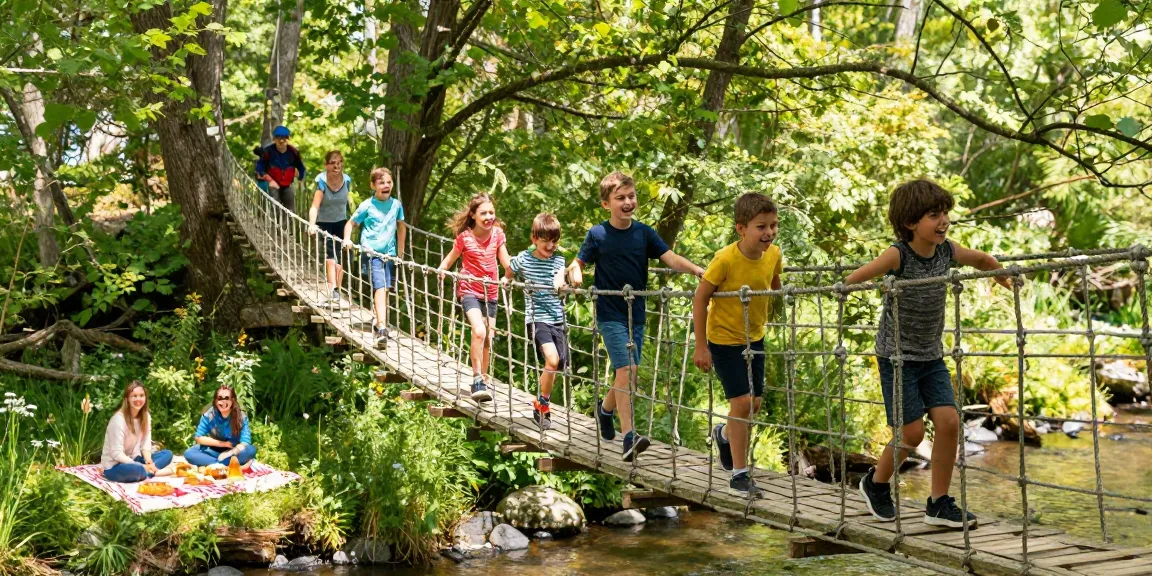
Understanding the Basics of Rope Bridge Design
The concept of a rope bridge is both fascinating and utilitarian, offering a unique way to cross gaps in challenging terrains. By understanding the principles of Rope Bridge design, enthusiasts and builders alike can create reliable structures for both recreational and practical uses. These bridges not only serve as passageways but also as aesthetic additions to landscapes, blending functionality with nature.
What is a Rope Bridge?
A rope bridge is a flexible, elevated structure typically made from a combination of ropes and planks or cables. Historically, these bridges have been used in various cultures for crossing rivers, gorges, and other obstacles where traditional bridge construction is impractical. They can vary in design from simple footbridges to complex suspension systems used for vehicular traffic.
Key Components of Rope Bridge Design
The integrity and functionality of a rope bridge depend on several key components:
- Cables and Ropes: These provide the essential support and stability. The choice of materials is critical, as they must withstand environmental factors and the weight of users.
- Decking: The surface on which users walk, made from wooden planks, metal grating, or composite materials, must be robust enough to support the intended load.
- Anchor Points: Secure fixed points are vital for stability and tension maintenance, especially in suspension bridges.
Types of Rope Bridges and Their Uses
Rope bridges can be categorised into several types, each suited for different environments and uses:
- Suspended Rope Bridges: These are the most recognised type, featuring cables suspended between two or more main supports.
- Fixed-Beam Rope Bridges: As the name implies, these use rigid beams alongside ropes, providing a different aesthetic and structural approach.
- Log Rope Bridges: Often used in rural or woodland settings, these involve logs laid across the gap, secured by ropes, typically for pedestrian traffic.
Choosing the Right Materials for Your Rope Bridge
The selection of materials significantly impacts the durability and safety of a rope bridge. Not only must they meet the structural requirements, but they also need to be weather-resistant and suited to the environment in which they will be constructed.
Durable Ropes and Cables: Which to Select?
Modern rope bridges often utilise synthetic materials, such as nylon or polypropylene, which offer high tensile strength and resistance to rot. Steel cables are also a popular choice for their robustness and longevity. When selecting ropes, consider the environmental conditions, including UV exposure and moisture levels, which can affect the material's performance over time.
Wood Choices for Bridge Stability and Aesthetics
Wooden components, such as decking and support beams, should be chosen for their strength and decay resistance. Pressure-treated lumber or naturally rot-resistant woods like cedar or redwood are excellent choices. Additionally, the aesthetic appeal of wood can enhance the natural beauty of the bridge, making it a visually pleasing addition to the landscape.
Environmental Considerations in Material Sourcing
When sourcing materials, it is essential to consider environmental sustainability. Opting for locally sourced materials reduces the carbon footprint associated with transportation and supports local economies. Furthermore, employing environmentally friendly treatments for wood can help ensure that the bridge integrates harmoniously with its surroundings.
Safety Considerations in Rope Bridge Design
Safety is paramount in any bridge design. Rope bridges, despite their unique construction methods, must adhere to stringent safety standards to ensure the wellbeing of users.
Weight Limitations and Structural Integrity
Understanding the weight limitations of your rope bridge is crucial. Calculate the maximum load the bridge can safely handle by considering the materials used, the span of the bridge, and the intended users. This may involve consulting structural engineering principles or seeking advice from professionals in bridge construction.
Safety Features to Incorporate
Incorporating safety features, such as sturdy handrails, non-slip surfaces, and regular inspection protocols, can significantly reduce the risk of accidents. It is also wise to create clear guidelines for usage, including weight restrictions and the number of people allowed on the bridge at once.
Guidelines for Maintenance and Inspections
Regular maintenance is vital to the longevity and safety of a rope bridge. Establish a routine inspection schedule to check for wear and tear, particularly in the ropes and decking. Promptly addressing any issues can prevent larger problems and ensure the bridge remains safe for users.
Designing a Rope Bridge for Various Environments
The environment in which you plan to build the rope bridge will significantly influence its design. Adapting your approach to the specific conditions can enhance both functionality and aesthetics.
Adapting Designs for Forest Settings
In forested areas, designs should consider the natural topography and vegetation. Using materials that blend with the environment will help preserve the natural aesthetic. Additionally, choosing locations that minimise disturbance to the local wildlife is essential.
Building Over Water: Techniques and Precautions
Constructing a rope bridge over water requires special consideration of hydrodynamic forces and potential flooding. Incorporating features such as adjustable spans or floating pontoons can add stability during fluctuating water levels. Always ensure that the bridge's foundation is securely anchored to withstand strong currents.
Incorporating Aesthetic Elements into Functional Design
Beyond functionality, a rope bridge can serve as an artistic feature in its environment. Consider integrating natural materials, artistic railings, or unique shapes to create a structure that complements its surroundings and becomes a focal point in the landscape.
Future Trends in Rope Bridge Design (2026 and Beyond)
As technology and materials continue to evolve, so too will rope bridge design. Looking ahead, there are several trends that may shape future construction approaches.
Innovative Materials and Technology in Design
With advances in material science, lighter and stronger composites may become the standard in rope bridge construction. Innovations such as smart materials that can monitor stress or environmental conditions will enhance both safety and longevity.
Emerging Trends in Eco-Friendly Design
As awareness of environmental impact grows, eco-friendly design practices will become increasingly important. This includes using sustainable materials, minimising resource consumption during construction, and ensuring that projects promote local ecology.
Case Studies of Modern Rope Bridge Projects
Reviewing recent projects can provide valuable insights into effective design and construction practices. Look at successful implementations that balance aesthetics, functionality, and environmental stewardship for inspiration in future rope bridge designs.
How do I build a rope bridge?
Building a rope bridge involves careful planning, material selection, and understanding of structural engineering principles. Start by sketching your design, selecting appropriate materials, and ensuring compliance with safety standards. Consulting with experts or utilizing resources from DIY communities can further enhance your project.
What are the different types of rope bridges?
There are several types of rope bridges, including suspended, fixed-beam, and log bridges, each serving different purposes and environments. Understanding the characteristics of each type will help you choose the best fit for your project.
How much does a rope bridge cost?
The cost of constructing a rope bridge can vary widely based on materials, size, and design complexity. Budgeting for unexpected expenses and considering potential maintenance costs is crucial when planning your project.
What is the simplest bridge design?
The simplest bridge design is often a basic suspended rope bridge, which requires fewer materials and less structural complexity. However, even simple designs must adhere to safety and functionality standards to ensure successful use.
What safety measures should I consider?
Key safety measures include understanding weight limits, incorporating secure handrails, using non-slip materials for decking, and establishing a regular maintenance and inspection schedule to identify potential hazards early.