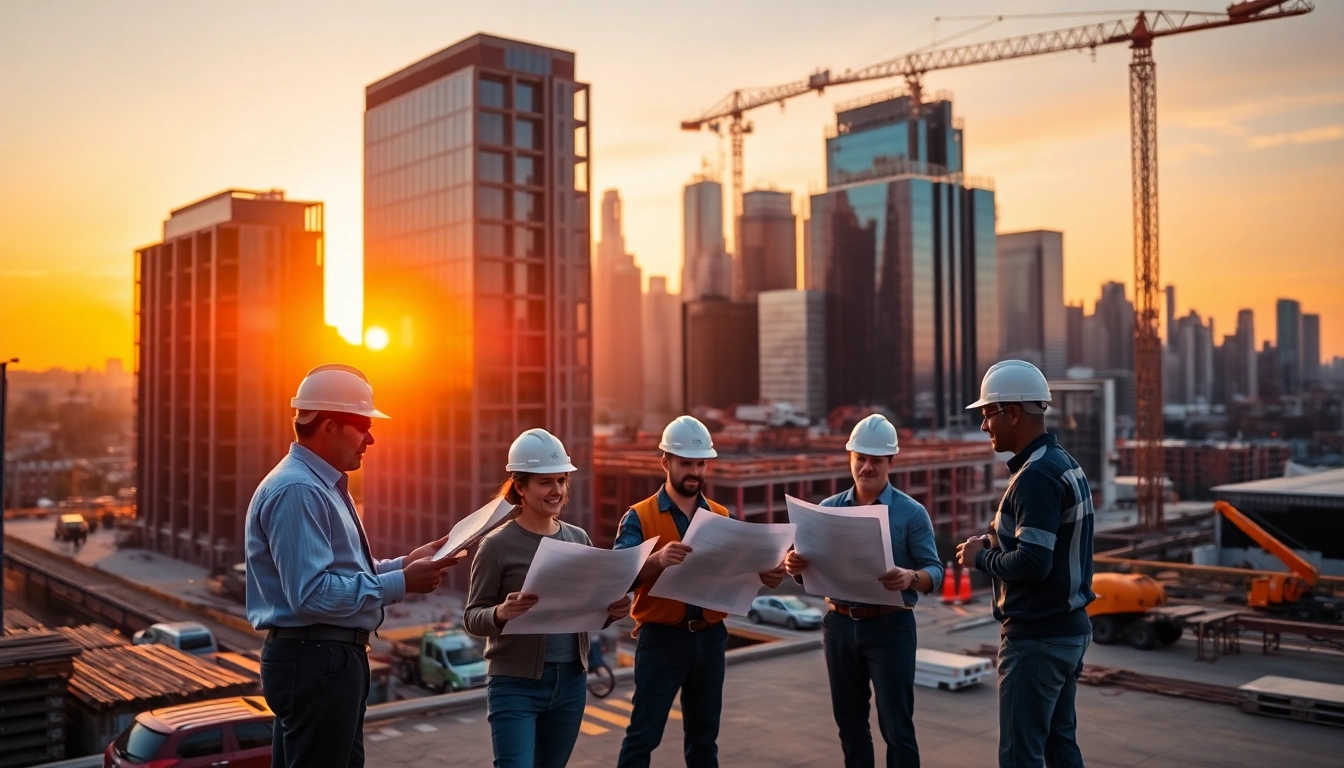
Understanding the Role of a New Jersey Commercial General Contractor
The construction industry in New Jersey is bustling with opportunities, and navigating this complex landscape requires the expertise of a New Jersey Commercial General Contractor. Such contractors are pivotal in overseeing and managing projects from conception through to completion, ensuring that every aspect aligns with regulatory, safety, and financial expectations. This comprehensive overview will delve into the multifaceted role of these contractors, providing insights that can effectively guide your project management decisions.
Defining the Contractor's Responsibilities
A New Jersey Commercial General Contractor holds a range of responsibilities that include:
- Project Management: Coordinating between various stakeholders, including architects, subcontractors, and suppliers to ensure smooth progress and clear communication.
- Budgeting: Establishing a realistic budget and ensuring that the project adheres to it throughout its course, adjusting as necessary for unexpected costs.
- Scheduling: Developing a timeline for the project's progression and ensuring that all work complies with this schedule, addressing delays effectively as they arise.
- Quality Control: Implementing processes and checks to ensure that the construction maintains the highest standards and adheres to local, state, and federal regulations.
- Legal Compliance: Acquiring necessary permits and ensuring that the project meets local zoning laws and construction regulations.
Key Qualities to Look For
When selecting a New Jersey Commercial General Contractor, certain qualities can significantly influence the success of your project:
- Experience: Contractors with a proven track record in the specific type of construction you are pursuing bring invaluable insights and expertise.
- Communication Skills: Effective communication fosters a transparent working relationship, critical during the project's lifecycle.
- Problem Solving: The ability to address challenges swiftly and effectively minimizes disruptions and keeps the project on track.
- Reputation: Checking references and client testimonials can shed light on the contractor's reliability and quality of work.
- License and Insurance: Ensuring that the contractor has the necessary licenses and insurance protects you from potential liabilities.
Importance of Local Expertise
Local expertise is invaluable in commercially complex projects. A contractor familiar with New Jersey's specific regulations, building codes, and environmental considerations can offer unique insights and streamline processes that save time and money. This localized knowledge can also enhance the likelihood of meeting project timelines while adhering to quality and safety standards.
How to Evaluate Potential New Jersey Commercial General Contractors
Choosing the right contractor is crucial for the success of any construction project. Here are key steps to evaluate potential candidates:
Check Licenses and Certifications
Verification of licenses and certifications is a non-negotiable step. Ensure that the contractor is registered with the New Jersey Division of Consumer Affairs and possesses the necessary bonding and liability insurance. These credentials not only ensure legitimacy but also indicate a commitment to professional standards.
Review Past Projects
Ask contractors for portfolios showcasing their previous work. This can provide insights into their style, quality, and expertise across different types of projects. If possible, visiting completed sites can offer a firsthand experience of their workmanship.
Gather Client Testimonials
Client testimonials and reviews can reveal much about a contractor's reliability, communication dynamics, and ability to deliver on time and within budget. Consider reaching out to previous clients directly for candid feedback.
Essential Services Offered by New Jersey Commercial General Contractors
New Jersey Commercial General Contractors offer a plethora of services that can enhance the efficiency and effectiveness of construction projects:
Project Management Services
These contractors play an integral role in project management by ensuring that timelines are adhered to, resources are allocated efficiently, and stakeholder communication is seamless throughout the process.
Design and Build Services
Many general contractors offer comprehensive design-build services, thereby allowing for a streamlined approach where design and construction are managed within the same contract. This can facilitate faster project completion and reduce the risks of miscommunication.
Safety and Compliance Regulations
Safety is paramount in construction. A reputable contractor prioritizes compliance with OSHA regulations and implements stringent safety protocols to protect workers and the site. Regular safety audits and training programs are often part of their operational procedures, ensuring every member is aware and equipped to adhere to safety standards.
Budgeting for Your Construction Project
Budgeting is one of the most critical aspects of any construction project. Here’s how to navigate this challenging landscape:
Setting Realistic Budget Expectations
Start by defining the scope of your project clearly. Engage your contractor early in this process to gain insights into what is realistically achievable within your budget. Planning for contingencies—typically 10-20% of the total estimated cost—can also safeguard against unforeseen expenses.
Understanding Cost Factors
The cost of a construction project can fluctuate based on various factors, including labor costs, material prices, permits, and equipment rentals. Understanding local market conditions, seasonal impacts, and availability of resources can provide a more accurate picture of potential costs.
Finance Options with Your New Jersey Commercial General Contractor
Discuss financing options with your contractor. Some contractors have partnerships with lenders that can assist in securing favorable financing terms. A knowledgeable contractor can guide you through the financial landscape, helping you make informed decisions that align with your budget constraints and project goals.
Common Challenges and Solutions in Commercial Construction
In the world of commercial construction, challenges are inevitable. Here are some common issues along with strategies to mitigate them:
Addressing Delays and Setbacks
Delays are frequent in construction projects due to weather, labor shortages, or supply chain disruptions. Proactive planning and contingency measures can help manage these setbacks. Establishing a timeline with buffer periods and regular progress reviews can help keep the project on track.
Managing Client Expectations
Effective communication is key to managing expectations. Regular updates, transparent discussions regarding challenges, and being upfront about any shifts in timelines or budgets can foster trust and understanding between contractors and clients.
Ensuring Quality Control Throughout the Process
Implementing a quality assurance plan that includes regular site inspections and adherence to specifications can help maintain quality throughout the project lifecycle. Engaging third-party auditors or inspectors at critical project stages can also ensure compliance with quality standards.
FAQs
What should I look for in a commercial contractor?
Look for experience, proper licensing, insurance, excellent communication skills, and a robust portfolio of completed projects.
How long does a commercial construction project usually take?
The duration varies based on project size and complexity, but a typical commercial project could take several months to over a year.
Are permits necessary for construction in New Jersey?
Yes, obtaining the right permits is crucial for legality and safety; your general contractor can assist with the process.
What are the average costs associated with hiring a general contractor?
Costs vary widely based on project scope and location, but expect to pay 10-20% of the total construction budget as contractor fees.
How can I communicate effectively with my contractor?
Establish clear channels of communication, set regular check-ins, and utilize project management tools for updates and feedback.