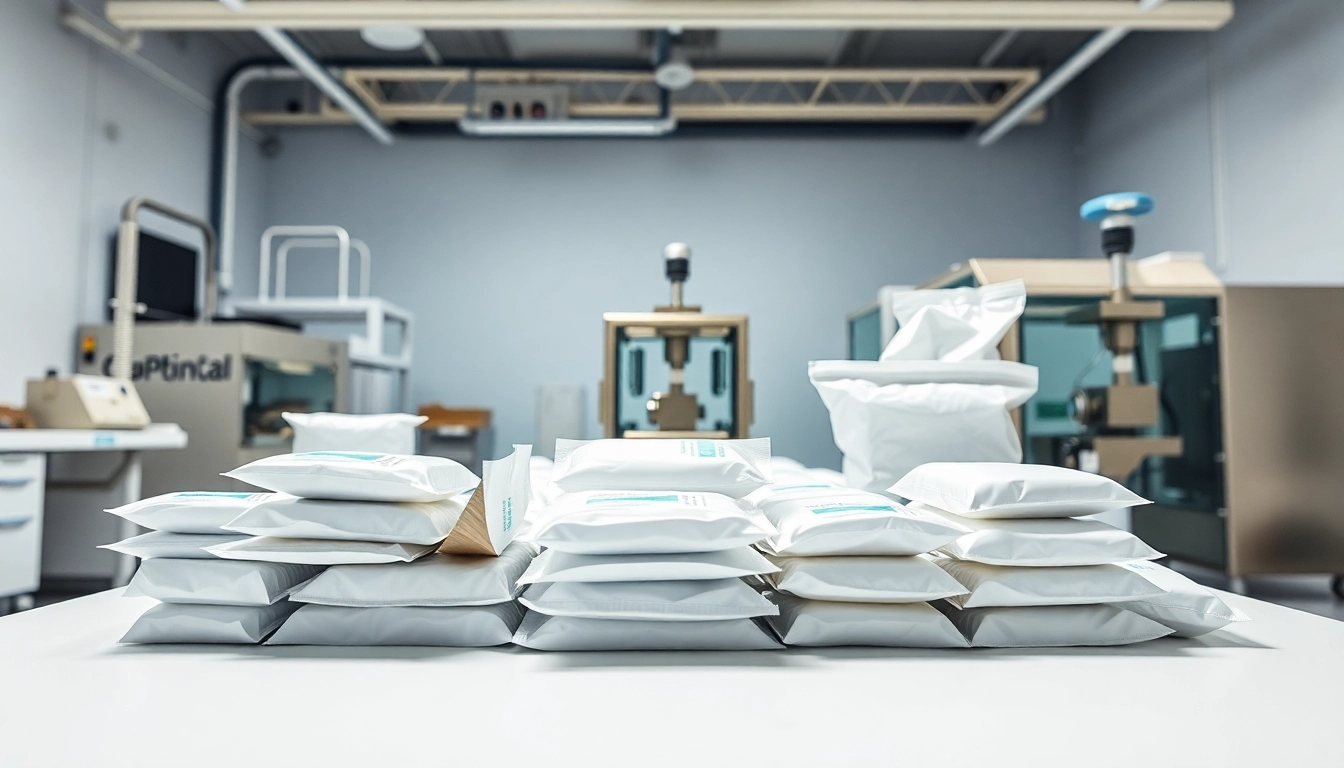
Understanding Pharmaceutical Packaging Services
In today's rapidly evolving healthcare landscape, pharmaceutical packaging services serve as a critical link between pharmaceutical manufacturers and patients. As the pharmaceutical industry expands globally and faces increasing regulatory scrutiny, the importance of effective packaging cannot be overstated. From ensuring product safety to enhancing brand visibility, these services play a pivotal role in the delivery of healthcare products.
What Are Pharmaceutical Packaging Services?
Pharmaceutical packaging services encompass a range of processes aimed at preparing, protecting, and presenting pharmaceutical products. These services include various packaging solutions tailored specifically to pharmaceuticals, such as primary packaging (enveloping single units), secondary packaging (bulk packaging of multiple units), and tertiary packaging (transport packaging). Additionally, these services may involve designing packaging, selecting appropriate materials, and complying with regulatory requirements to ensure product safety and efficacy.
Key Components of Pharmaceutical Packaging
The key components of pharmaceutical packaging encompass materials, design, labeling, and regulatory compliance. The choice of materials must consider factors such as barrier properties, biocompatibility, and the ability to safeguard against contamination. Design plays a vital role in user-friendliness, while labeling must provide clear instructions and necessary information. Furthermore, compliance with regulations set forth by organizations like the FDA ensures that all packaging adheres to safety and health standards.
The Importance of Compliance in Pharmaceutical Packaging
Compliance with regulatory requirements is paramount in the pharmaceutical industry. Companies must navigate a complex web of regulations, including Good Manufacturing Practices (GMP) and other industry-specific guidelines. Non-compliance can lead to severe consequences, including product recalls, legal action, and damage to brand reputation. Therefore, understanding compliance requirements is crucial for any engaging in pharmaceutical packaging services, ensuring the safety and efficacy of the products being delivered to consumers.
Types of Pharmaceutical Packaging
Primary Packaging for Pharmaceuticals
Primary packaging refers to the direct containment of the pharmaceutical product. This can include a variety of formats such as blister packs for tablets, vials for liquids, or tubes for creams. The choice of primary packaging is influenced by the product's chemical properties, intended use, and target market. Effective primary packaging not only protects the product but also enhances patient compliance by aiding in the ease of use.
Secondary Packaging Solutions
Secondary packaging serves as an additional layer of protection and is often required for logistics and distribution. This packaging may include boxes, cartons, or other protective cases that contain multiple units of the primary packaging. Secondary packaging often features branding elements and information that can assist in marketing and identification. Importantly, it also facilitates safe transport and minimizes damage during shipping.
Specialized Packaging Techniques
In certain instances, specialized packaging techniques are employed, such as cold chain packaging, unit dose packaging, or tamper-evident systems. Cold chain packaging is critical for perishable pharmaceuticals that require temperature control. In contrast, unit dose packaging enhances patient safety by providing pre-measured doses, thereby reducing the risk of medication errors. Tamper-evident systems, on the other hand, are essential for ensuring product integrity and consumer trust.
Process of Pharmaceutical Packaging Services
Design and Development Stage
The design and development stage is where creative ideas transform into tangible packaging solutions. This process involves collaboration among various stakeholders, including pharmaceutical scientists, packaging engineers, and marketing teams. Initial concepts are developed into prototypes, which undergo testing to evaluate performance, compliance, and user experience. The design must meet both aesthetic and functional criteria, facilitating effective communication with consumers while ensuring product protection.
Manufacturing Best Practices
Manufacturing of pharmaceutical packaging must adhere to strict industry best practices. This includes using validated methods and equipment, ensuring that all raw materials are sourced from reputable suppliers, and maintaining cleanroom environments to minimize contamination. Regular audits and inspections further ensure that all processes remain compliant with industry regulations and standards, facilitating high-quality output consistently.
Quality Assurance and Control
Quality assurance and control are integral throughout the pharmaceutical packaging lifecycle. This entails rigorous testing of packaging materials and processes to confirm they meet predefined quality standards. Methods include managing the testing of finished packaging for durability, functionality, and conformance to specifications. Companies often implement statistical quality control techniques to monitor processes and ensure consistent output, reducing variability and enhancing reliability.
Benefits of Quality Pharmaceutical Packaging Services
Enhancing Product Safety
Quality pharmaceutical packaging services enhance product safety through protective features that prevent contamination, damage, and misuse. Effective packaging safeguards against environmental factors like moisture and light that can degrade the product. Additionally, tamper-proof seals increase consumer confidence by indicating that the product has not been altered after leaving the manufacturing site.
Improving Shelf Life
A well-designed package can significantly extend the shelf life of pharmaceutical products. By using materials that provide adequate barriers against air, humidity, and light, packaging can slow the degradation of active ingredients. For example, blister packs often extend the shelf life of medications by providing an airtight seal that protects against moisture. As a result, both manufacturers and consumers benefit from higher quality products over extended periods.
Facilitating Distribution Efficiency
Efficient pharmaceutical packaging streamlines the distribution process. By implementing standardized packaging sizes and shapes, companies can maximize space utilization during shipping and reduce logistical costs. Additionally, packaging designed for ease of handling and stacking minimizes the risk of damage during transportation. Efficient packaging also enhances traceability and tracking of products throughout the supply chain, improving overall operational efficiency.
Future Trends in Pharmaceutical Packaging Services
Adoption of Sustainable Practices
With growing concerns over environmental impact, the pharmaceutical sector is shifting toward sustainable packaging practices. This includes using recyclable materials, reducing package sizes, and implementing biodegradable options. Companies are exploring innovative designs that use less material without compromising protection or safety. As regulatory bodies encourage sustainability, adapting to these trends will become increasingly important for future packaging strategies.
Integration of Smart Packaging Technologies
Smart packaging technologies incorporate features like RFID tags, QR codes, and sensors that enhance the functionality of pharmaceutical packaging. These technologies allow for real-time product tracking and monitoring, ensuring optimal storage conditions throughout the supply chain. They can also provide patients and healthcare providers with additional information regarding medication usage and reminders, promoting adherence and responsible use.
The Role of Digitalization in Packaging Services
Digitalization is revolutionizing pharmaceutical packaging services, facilitating better design, manufacturing, and inventory management processes. Through digital prototyping and automated manufacturing technologies, companies can improve efficiency and reduce time to market. Additionally, data analytics enable organizations to gain insights from packaging performance, allowing for continuous improvement and innovation in packaging solutions.
FAQs about Pharmaceutical Packaging Services
What are the key benefits of pharmaceutical packaging?
Pharmaceutical packaging ensures product safety, enhances shelf life, and facilitates distribution efficiency. It protects against contamination and misuse while promoting brand visibility and consumer trust.
What is the difference between primary and secondary packaging?
Primary packaging directly contains the pharmaceutical product, while secondary packaging serves as an additional protective layer that contains multiple units of the primary packaging for storage and shipping.
How important is compliance in pharmaceutical packaging?
Compliance is crucial as it ensures that packaging meets regulatory standards, safeguarding product safety and efficacy, and avoiding potential legal and reputational issues.
What are some common materials used in pharmaceutical packaging?
Common materials include glass, plastics (like PET and PVC), aluminum, and various types of paperboard, each selected based on specific barrier properties and compatibility with the product.
How can companies improve their pharmaceutical packaging processes?
Companies can improve packaging processes by adopting best practices in manufacturing, conducting thorough quality control, investing in new technologies, and continually assessing compliance with regulations.