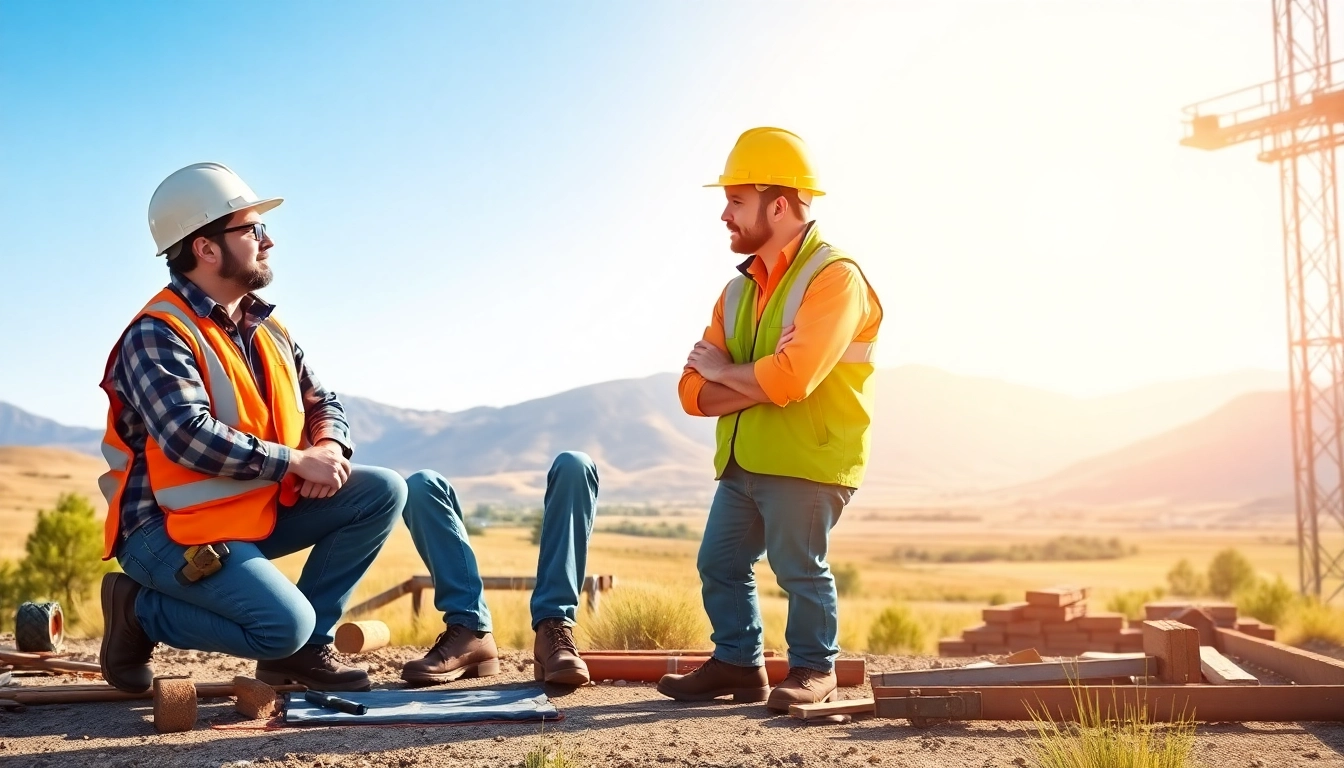
Understanding Construction Mental Health Colorado
Overview of Mental Health Issues in Construction
The construction industry is often regarded as a high-pressure environment, where the stress of deadlines, demanding physical labor, and sometimes hazardous conditions can take a toll on workers' mental health. Poor mental health not only affects individual employees but can also impact teams and organizations at large. Understanding the complexities of mental health issues in construction is essential for fostering a safer and more productive workplace. According to research, construction workers are at a greater risk for various mental health issues, including anxiety, depression, and suicidal thoughts. The unique challenges faced by these professionals necessitate targeted strategies and programs aimed at improving mental well-being. For detailed resources and support, check out construction mental health colorado.
Impact of Work Environment on Mental Well-Being
The physical and psychological dynamics of the construction job site can significantly influence mental well-being. Factors such as long hours, fluctuating work schedules, and the pressure to meet project deadlines create an environment ripe for mental fatigue and stress. The availability of resources, job security, and relationships with coworkers also play crucial roles in shaping an employee’s mental state. Furthermore, workplace culture can either exacerbate feelings of isolation and anxiety or promote a sense of belonging and support, emphasizing the importance of fostering an inclusive environment.
Statistics on Mental Health in the Colorado Construction Industry
Statistics reveal a concerning landscape for mental health in Colorado's construction industry. A study found that nearly 40% of construction workers reported experiencing anxiety or depression. Additionally, rates of suicide among construction workers are alarmingly high, often surpassing those of the general population. These figures underline the urgent need for mental health awareness and intervention in the sector to alleviate these issues and support workers' well-being.
Recognizing Signs of Mental Health Issues
Common Mental Health Problems in Construction
Workers in the construction field face a variety of mental health challenges. Some of the most common issues include depression, anxiety disorders, substance abuse, and stress-related disorders. The demanding nature of the work can exacerbate these conditions, making it critical for workers and employers to recognize the signs early. Mental health problems can lead to decreased productivity, increased accidents, and even long-term disability, making awareness and early intervention vital.
Signs to Look Out For
It's important for both workers and supervisors to understand the indicators of mental health problems. Common signs include changes in mood or behavior, withdrawal from social activities, declining work performance, and physical symptoms such as headaches or fatigue. Other signs may include irritability, difficulty concentrating, and uncharacteristic risk-taking behaviors. Identifying these indicators early can lead to timely support and resources for those in need.
When to Seek Help
Knowing when to seek help is critical in addressing mental health concerns. If a worker exhibits persistent signs of distress, including prolonged sadness, disinterest in work, or thoughts of self-harm, it is imperative to take these signals seriously. Encouraging open conversations about mental health in the workplace can create a supportive environment where employees feel safe seeking help. Professional assistance from mental health experts should be sought whenever necessary to provide comprehensive support to those in need.
Creating a Supportive Workplace Culture
Implementing Mental Health Programs
Implementing effective mental health programs is a proactive step toward safeguarding the mental well-being of construction workers. Companies can organize workshops that educate employees about mental health issues, resources available, and coping mechanisms. Additionally, integrating mental health into overall safety programs can help in fostering a holistic approach to well-being. Providing accessible resources, such as counseling services and stress-relief activities, can significantly impact employee morale and mental health.
Promoting Open Conversations
Encouraging open dialogue about mental health in the workplace is essential for breaking down stigmas. Creating an inclusive environment where discussions about emotional well-being are normalized helps workers feel comfortable addressing their challenges. Initiatives, such as mental health awareness days or team-building activities that focus on wellness, can facilitate these conversations. Leadership plays a key role in setting the tone—when supervisors model openness, it encourages employees to share their experiences without fear of judgment.
Training for Supervisors and Workers
Equipping supervisors with the knowledge and tools to recognize and address mental health issues can make a significant difference in workplace wellness. Training programs can provide insights into the signs of mental health challenges and outline best practices for support and referral to professional resources. Additionally, workers should be educated on mental health matters, empowering them to recognize their own struggles and those of their fellow coworkers, fostering a united front against mental illness.
Resources and Support Systems in Colorado
Mental Health Organizations and Hotlines
Colorado offers a variety of mental health resources tailored to the construction industry. Organizations such as RLS (Resource Link Support) provide essential outreach and support services, while helplines offer immediate assistance to those in crisis. Workers should be encouraged to learn about these resources so they can access support when needed. These services are critical in ensuring that individuals have the necessary tools and assistance to manage their mental health effectively.
Employee Assistance Programs in Construction
Employee Assistance Programs (EAPs) can play an instrumental role in providing mental health resources for construction workers. These programs typically offer confidential counseling, legal assistance, and financial guidance, helping employees manage stressors both at work and outside of it. By promoting EAPs, employers can facilitate access to professional support, demonstrating a commitment to the well-being of their workforce.
Utilizing Community Resources
Within Colorado, various community resources offer valuable support for mental health initiatives. Local mental health clinics, counseling centers, and support groups create a network of services that can assist workers in need. Employers should actively encourage employees to leverage these resources and consider partnerships with local organizations to enhance the support provided within their own company’s initiatives.
Measuring the Impact on Construction Mental Health
Analyzing Employee Feedback
Regularly gathering employee feedback is crucial in assessing the effectiveness of mental health initiatives. Anonymous surveys can provide insights on employee perceptions of mental health resources and support systems within the organization. This feedback can guide decision-making processes and ensure that programs are aligned with workers' actual needs, creating a responsive approach to mental well-being.
Tracking Metrics for Mental Health Initiatives
Measuring the outcomes of mental health initiatives is essential for understanding their impact. Key performance indicators, such as reduced absenteeism, increased job satisfaction, and improved employee engagement, can help gauge the effectiveness of programs. Additionally, tracking the utilization rate of mental health resources can offer valuable insights into employee engagement and the effectiveness of outreach efforts.
Continuous Improvement Strategies
Creating a culture that prioritizes mental health requires ongoing commitment and adaptability. Organizations should consistently review and evaluate their mental health programs, using data from employee feedback and performance metrics to identify areas for improvement. Engaging employees in the development and refinement of programs fosters ownership and can lead to more meaningful initiatives tailored to worker needs. Continuous improvement should be a core principle in any organization's approach to mental health in the construction industry.
Frequently Asked Questions
What are common mental health problems in construction?
Common mental health problems include anxiety, depression, and substance abuse, often exacerbated by the stress of the work environment.
How can I recognize signs of mental health issues?
Look for changes in behavior, mood swings, withdrawal from activities, declining work performance, and physical symptoms like fatigue.
When should I seek help for mental health issues?
Seek help if you experience persistent feelings of sadness, anxiety, or thoughts of self-harm. Early intervention is crucial.
How can workplaces support mental health?
Workplaces can implement mental health programs, promote open conversations, and provide training for supervisors and employees.
What resources are available for construction mental health in Colorado?
Colorado offers various resources, including local mental health clinics, hotlines, and Employee Assistance Programs to support workers.