Understanding Bed Bugs and Their Impact
What Are Bed Bugs?
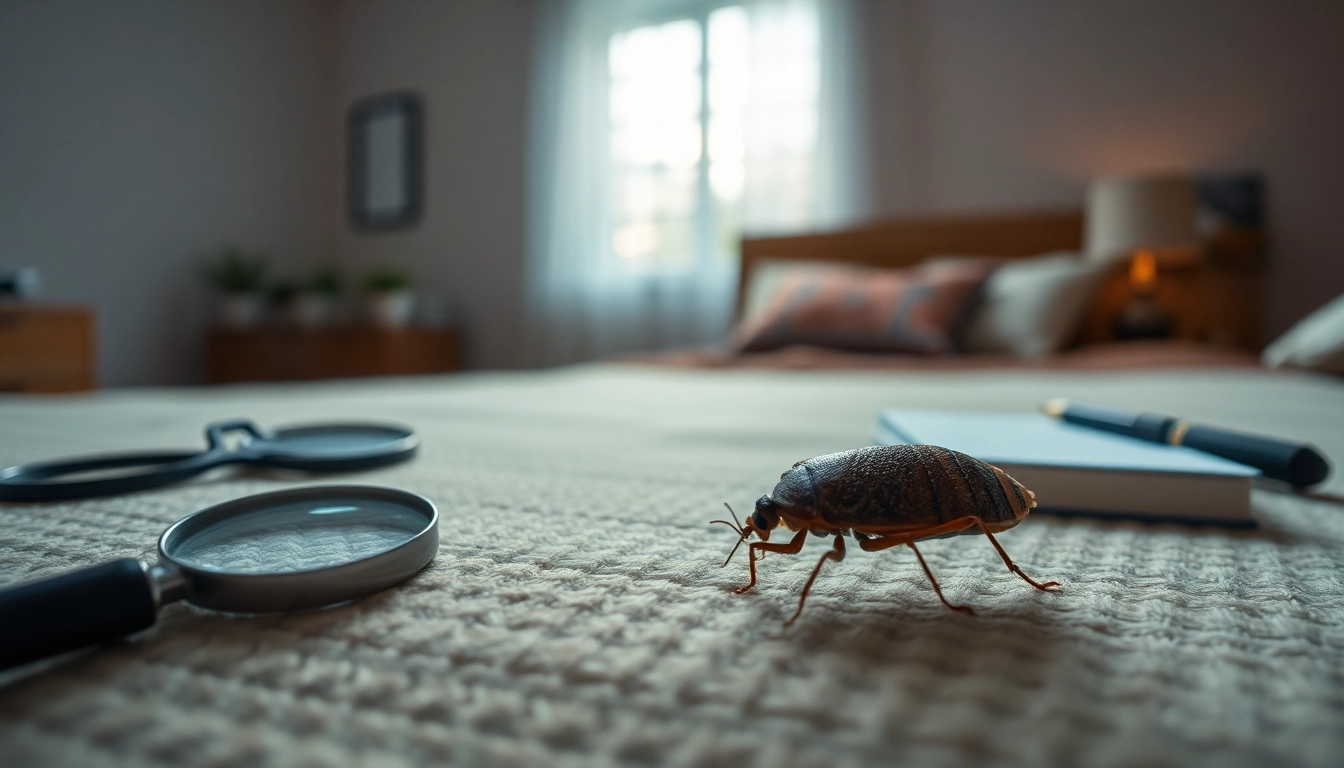
Bed bugs are small, reddish-brown insects that belong to the Cimex lectularius species. They are approximately the size of an apple seed and are known for feeding on the blood of humans and animals while they sleep. Their flat bodies allow them to hide in various places, including mattresses, bedding, and furniture. They are nocturnal creatures, making it challenging for individuals to detect them until a full infestation occurs.
Signs of a Bed Bug Infestation
Identifying a bed bug infestation early can significantly influence the success of bed bug removal. Key signs include:
- Bite Marks: Red, itchy welts on your skin may indicate bed bug bites, usually in a line or cluster.
- Blood Stains: Small blood drops on sheets or mattresses may result from crushed bugs while sleeping.
- Fecal Spots: Dark spots, often mistaken for mold or dirt, typically found on bedding or furniture.
- Shed Skins: As bed bugs mature, they shed their outer exoskeleton, which can be found in cracks and crevices.
- Unpleasant Odor: A musty smell may indicate a large infestation, as bed bugs release pheromones.
Health Risks Associated with Bed Bugs
While bed bugs are not known to transmit diseases, their bites can lead to various health concerns. Individuals may experience allergic reactions, insomnia, anxiety, and even secondary infections from scratching. The physical and psychological effects can significantly impact one's quality of life, emphasizing the need for effective bed bug removal strategies.
Preparing for Bed Bug Removal
Inspection and Identification Techniques
Before any removal process begins, performing a thorough inspection is essential. Start by examining typical hiding spots, including:
- Mattresses and box springs
- Bed frames and headboards
- Cracks in walls and furniture
- Behind electrical outlets
Using a flashlight can help illuminate dark areas where bed bugs may be lurking. Consider utilizing bed bug detection tools like traps for more reliable identification.
Creating an Effective Action Plan
Once an infestation has been identified, creating a detailed action plan is crucial. Outline the following steps:
- Establish a timeline for inspection and treatment.
- Evaluate whether to employ DIY methods or professional services for elimination.
- Develop cleaning and preparation strategies for your living space, including laundering fabrics at high temperatures.
Gathering Necessary Tools and Equipment
For effective bed bug removal, having the right tools can make the process easier. Essential items include:
- Vacuum cleaner equipped with a HEPA filter
- Sealed plastic bags for transporting infested materials
- Steam cleaner for killing bed bugs at all life stages
- Pesticides specifically designed for bed bugs
DIY Bed Bug Removal Methods
Heat Treatment Techniques
Heat treatment is a highly effective method used to kill bed bugs in all life stages. This can be accomplished through:
- Washing infested bedding and clothing in hot water and drying on high heat.
- Using a steam cleaner on furniture, carpets, and other surfaces.
- Professional heat treatment services that raise the indoor temperature to lethal levels for bed bugs.
Chemical Options and Natural Remedies
Chemical pesticides can also be effective in controlling bed bug populations. However, it’s critical to choose products specifically formulated for bed bugs. Natural remedies include:
- Diatomaceous Earth: A natural powder that can kill bed bugs by dehydrating them.
- Essential Oils: Certain oils such as tea tree oil and lavender can repel bed bugs when applied appropriately.
- Baking Soda: While often cited as a remedy, its effectiveness is debated among experts.
Preventive Measures to Avoid Recurrence
After a successful removal, implementing preventive measures is essential to avoid future infestations:
- Regularly vacuum and inspect sleeping areas.
- Seal cracks and crevices where bed bugs may hide.
- Invest in mattress encasements to protect against potential re-infestation.
Hiring Professional Help for Bed Bug Removal
When to Consider Professional Extermination
If a bed bug infestation is extensive or DIY methods prove ineffective, it may be time to hire a professional exterminator. Indicators that you should consider expert help include:
- Continuous sightings of live bed bugs.
- Multiple rooms affected by the infestation.
- Severe allergic reactions to bites experienced by residents.
Evaluating Pest Control Services
When selecting a pest control service, consider the following factors:
- Check for licensing and insurance to ensure credibility.
- Request customer reviews to gauge service satisfaction.
- Inquire about the methods and products they utilize to ensure safety and effectiveness.
Understanding the Cost of Professional Services
The cost of professional bed bug treatment can vary widely based on the extent of the infestation and the methods used. On average, homeowners can expect to pay anywhere from several hundred to a few thousand dollars, with treatment typically requiring multiple visits for complete eradication. Always request a detailed breakdown of the costs involved, along with any guarantees provided.
Post-Treatment Strategies and Maintenance
Monitoring for Future Infestations
After the professional treatment, it is crucial to remain vigilant for any signs of returning bed bugs. Regular monitoring should include:
- Inspecting bedding and sleeping areas thoroughly.
- Using bed bug monitors and traps to catch any re-infestation early.
Safe Practices for Living with Bed Bugs
While dealing with a bed bug infestation, maintaining a clean space can help prevent potential issues. Some recommended practices include:
- Washing clothes regularly, especially if they have been in suspected infested areas.
- Using sealed bags for storage to avoid spreading fleas and other pests.
- Avoid bringing secondhand furniture into your home without proper inspection.
Long-Term Prevention Techniques
Long-term prevention is essential for creating a bed bug-free environment. This can be accomplished through:
- Utilizing mattress encasements and regularly inspecting their condition.
- Abiding by strict protocols while traveling or using shared accommodations.
- Establishing a routine of deep cleaning and maintenance in your living spaces.
Frequently Asked Questions
What are the signs of a bed bug infestation?
Signs include dark spots on bedding, small bites on the skin, and the presence of live bugs or shed skins.
How can I prevent bed bugs in my home?
Keep your home clutter-free, use mattress encasements, and regularly vacuum and inspect areas where they may hide.
What are effective DIY methods for bed bug removal?
Heat treatments, vacuuming, and using specific pesticides can be effective DIY options for bed bug removal.
How do I choose a professional exterminator?
Look for licensed pest control services with positive reviews, experienced technicians, and transparent pricing.
What should I do after professional treatment?
Follow up with regular inspections, maintain cleanliness, and continue preventive measures to ensure effectiveness.