
Understanding Bacteriostatic Water
What is Bacteriostatic Water?
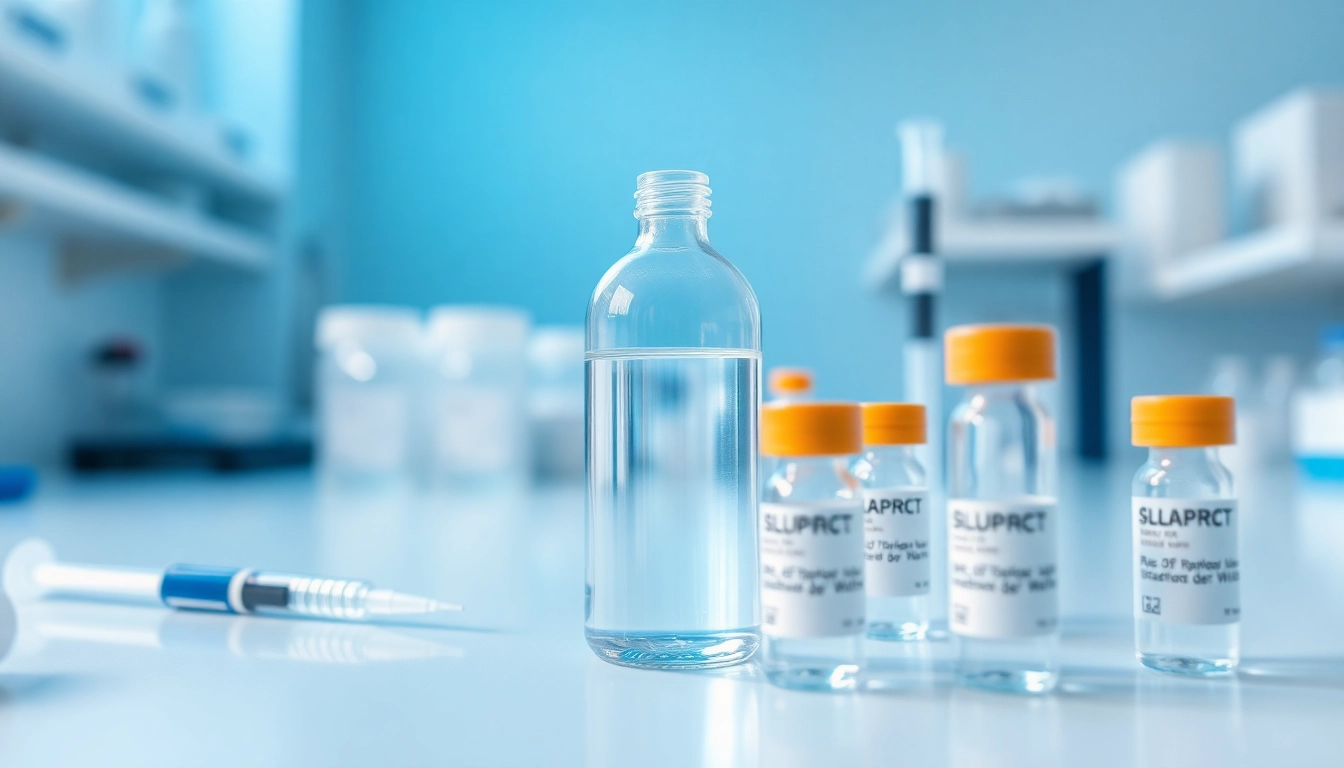
Bacteriostatic water is a sterile water solution designed for diluting or dissolving medications before injection. It contains a small amount of benzyl alcohol, which acts as a preservative to prevent the growth of bacteria, allowing for the safe re-use of a vial multiple times. This characteristic is particularly valuable in medical and research contexts, including the preparation of injectable peptides. With its ability to maintain sterility and stability, bacteriostatic water for peptides has gained significant attention in laboratory settings and among healthcare practitioners.
Key Properties of Bacteriostatic Water
Several key properties make bacteriostatic water particularly suitable for pharmaceutical applications:
- Sterility: The primary property of bacteriostatic water is its sterility, ensuring that it is free from any microorganisms or pathogens.
- Preservation: The inclusion of benzyl alcohol serves not only as a preservative but also enhances the solution's shelf life, making it ideal for long-term storage and repeated use.
- pH Neutrality: Bacteriostatic water is generally neutral in pH, which minimizes irritation when injected.
- Compatibility: It is compatible with a range of medications and can be used to dissolve various peptides effectively, maintaining their stability.
How Bacteriostatic Water is Made
The manufacturing of bacteriostatic water involves strict adherence to safety and quality control protocols. Generally, the process includes rigorous sterilization methods such as autoclaving or membrane filtration to eliminate any microbial contaminants. Following this, a precise quantity of benzyl alcohol is added to the sterile water. This mixture is then packaged in airtight, sterile vials, ensuring that it remains uncontaminated until use.
Importance of Bacteriostatic Water in Peptide Storage
Stabilizing Peptides with Bacteriostatic Water
Peptides, which are short chains of amino acids, can be sensitive to environmental conditions. When stored in bacteriostatic water, they gain additional stability. The preservative quality of benzyl alcohol helps prevent bacterial contamination, thus reducing the risk of peptide degradation. This stabilization is imperative for maintaining the efficacy and functionality of peptides, especially in heated or fluctuating conditions.
Best Practices for Storing Peptides
To ensure the longevity and effectiveness of peptides when using bacteriostatic water, certain best practices should be followed:
- Refrigeration: Store peptides in refrigerator conditions (2 to 8°C) to slow down degradation.
- Lyophilization: Consider lyophilizing peptides before reconstitution to extend shelf-life.
- Protect from Light: Store in opaque containers or wrap in aluminum foil to prevent light exposure.
- Use Sterile Technique: Always use sterile equipment when handling to prevent contamination.
Impact on Peptide Efficacy
The efficacy of peptides can diminish over time due to various factors such as temperature fluctuations and microbial contamination. Using bacteriostatic water not only prevents bacterial growth but also maximizes the longevity of the peptide solution. Studies have shown that peptides reconstituted in bacteriostatic water maintained their potency for extended periods compared to those stored in standard sterile water.
Applications of Bacteriostatic Water in Research
Injectable Solutions and Formulations
In research laboratories, bacteriostatic water is frequently employed in the preparation of injectable formulations. It serves as the solvent to dissolve therapeutic peptides, hormones, or vaccines, ensuring high-quality delivery systems for research purposes. The controlled and sterile environment presented by bacteriostatic water is crucial for formulation stability, thereby enhancing the reliability of experimental results.
Research Protocols Utilizing Bacteriostatic Water
Many research protocols incorporate bacteriostatic water for various applications. For instance, in pharmacology and toxicology studies, it is often utilized for reconstituting dosing solutions. Furthermore, research focusing on peptide mechanisms, efficacy trials, and stability assessments heavily depend on the consistent quality that bacteriostatic water provides.
Real-world Case Studies
Several case studies demonstrate the effectiveness of bacteriostatic water in peptide research. One instance involved a study on insulin-like growth factors, where researchers successfully maintained peptide integrity by employing bacteriostatic water during their experiments. Data from the study indicated that the peptides retained full biological activity and stability throughout the storage period, highlighting the efficacy of utilizing bacteriostatic water in peptide applications.
Safety Considerations When Handling Bacteriostatic Water
Common Misconceptions Debunked
Many misconceptions surround the handling of bacteriostatic water, often stemming from misunderstanding benzyl alcohol's role. Some users mistakenly believe it poses major toxicity risks; however, when used in the recommended concentrations, it is considered safe for use in pharmaceuticals. Moreover, its presence actually enhances the safe multi-use aspect of bacteriostatic water.
Handling and Disposal Guidelines
Proper handling of bacteriostatic water is essential to prevent contamination. Always work in a clean, controlled environment, using sterile syringes and needles. Additionally, when disposing of unused bacteriostatic water, follow local hazardous waste regulations to minimize environmental impact and ensure compliance with safety standards.
Regulatory Standards and Compliance
Compliance with regulatory standards is critical when using bacteriostatic water in research or clinical settings. It should meet the standards set by entities such as the FDA, which specifies quality control measures, sterility tests, and labeling requirements. This adherence helps to assure the safe use of bacteriostatic water and protect both researchers and participants involved in studies.
Future Trends in Peptide Research with Bacteriostatic Water
Innovations in Storage Technology
The future of peptide storage and preservation is leaning towards innovative solutions. Emerging technologies that incorporate smart packaging and advanced refrigeration systems are anticipated to improve the shelf life and effectiveness of bacteriostatic water-reconstituted peptides. Innovations like temperature-tracking systems and automated storage environments may enhance reliability while reducing human error in peptide handling.
Potential New Applications
New applications for bacteriostatic water are steadily being researched, particularly in biopharmaceutical formulations. Its role may expand into new therapeutic areas, such as cell-based therapies and gene editing solutions, where sterility and stability are paramount. This evolution could also lead to the development of novel peptide-based drugs that leverage the properties of bacteriostatic water.
Emerging Research in Peptide Sciences
Emerging research in peptide sciences is promising, with an increasing number of applications being explored. Studies examining the use of peptides in disease management are rapidly advancing, necessitating reliable storage solutions like bacteriostatic water. As research progresses, the understanding of how bacteriostatic water can enhance peptide stability and efficacy will become even more significant in pharmaceutical development.
FAQs About Bacteriostatic Water
What is bacteriostatic water used for?
Bacteriostatic water is primarily used to dissolve or dilute medications prior to injection. Its preservative properties make it suitable for repeated use.
How long can you store bacteriostatic water?
When stored correctly, bacteriostatic water can last up to 28 days once opened, maintaining its sterile qualities throughout this period.
Is bacteriostatic water safe for all injections?
Bacteriostatic water is safe for many medications; however, it should be avoided with certain drugs that have specific compatibility requirements.
Can you reuse bacteriostatic water?
Yes, bacteriostatic water can be reused for up to 28 days after opening, but it must be handled with sterile techniques to prevent contamination.
Does bacteriostatic water need to be refrigerated?
While bacteriostatic water can be stored at room temperature, refrigeration is recommended to prolong its effectiveness and maintain sterility.