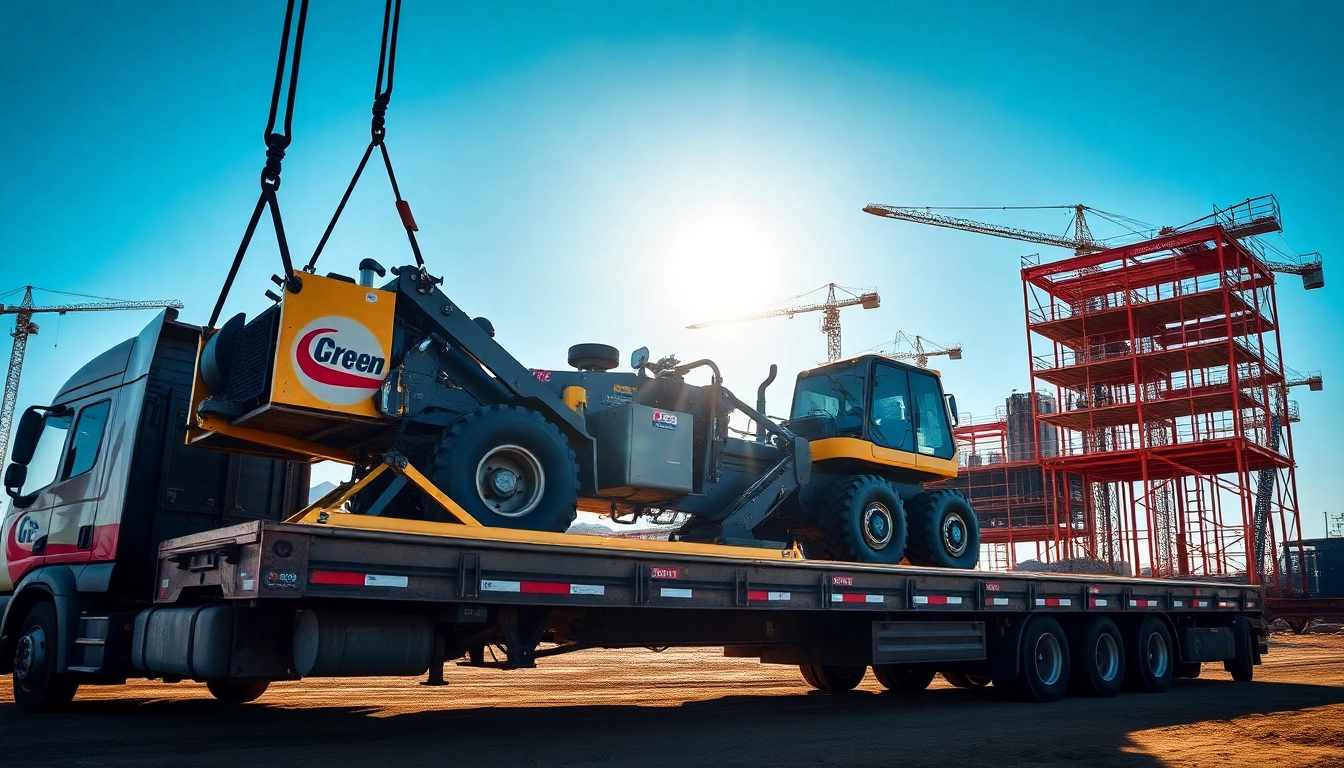
Understanding Equipment Transportation
Definition of Equipment Transportation
Equipment transportation refers to the logistics and processes involved in moving various types of machinery, vehicles, and heavy equipment from one location to another. This can include anything from small tools to massive construction machinery, requiring specialized vehicles and expertise to ensure safe and efficient delivery. The equipment may be moved short distances, such as within a city, or over long distances, such as across state lines.
Types of Equipment Transportation Services
There are several types of equipment transportation services tailored to meet the needs of various industries:
- Heavy Hauling: This service focuses on transporting large and heavy machinery, often requiring permits due to size and weight restrictions.
- Flatbed Transport: Flatbed trucks are commonly used for transporting construction equipment, as they provide easy loading and unloading access.
- Enclosed Transport: This service protects sensitive equipment from weather and road conditions by transporting it in enclosed trailers.
- Specialized Transport: Custom solutions are often necessary for unique equipment types, including cranes and oversized items.
- Intermodal Transportation: This involves transporting equipment using multiple modes of transport (e.g., truck and rail) to optimize cost and efficiency.
Importance of Equipment Transportation in Industries
The importance of equipment transportation cannot be overstated. It plays a critical role in maintaining productivity across various sectors, including construction, agriculture, logistics, and manufacturing. Efficient transport of equipment:
- Ensures that operations are not delayed due to equipment unavailability.
- Facilitates timely project completion by ensuring that necessary machinery arrives at the job site on schedule.
- Helps companies expand their service areas by providing the flexibility to transport equipment to locations as needed.
- Supports the economy by contributing to job creation in transport and logistics sectors.
Factors Affecting Equipment Transportation
Weight and Size of Equipment
The weight and size of the equipment being transported are perhaps the most significant factors in planning logistics. Heavier and larger equipment often requires specialized vehicles and additional permits for transportation. Drivers must also consider weight distribution to maintain the vehicle's balance during transit, especially when road conditions are less than ideal.
Transport Distance and Route Conditions
Transport distance plays a crucial role in determining the overall logistics plan. Longer distances may necessitate additional planning for fuel stops, rest breaks, and adherence to specific regulations regarding driving hours. Route conditions, including road type, traffic patterns, and potential obstacles (like bridges with weight limits), must also be evaluated to ensure safe transportation.
Regulatory Compliance and Permits
Compliance with federal and state transportation regulations is critical in equipment transportation. Depending on the type and size of equipment, specific permits may be needed to transport oversized or heavy loads. Understanding the regulatory landscape not only prevents fines but also ensures that transportation proceeds without unnecessary delays.
Best Practices for Equipment Transportation
Preparing Equipment for Transport
Proper preparation is vital for successful equipment transportation. This process includes:
- Inspecting the equipment to ensure it is operational and secure for transport.
- Removing any detachable parts that may be damaged during transit.
- Securing equipment to prevent movement during transportation.
Choosing the Right Transport Vehicle
Selecting the appropriate transport vehicle is crucial in accommodating the specific needs of the load. Factors such as the size and weight of the equipment, as well as any specialized features it may have, should drive this decision. Common vehicle types include flatbed trucks, lowboy trailers, and heavy haulers.
Ensuring Safety During Transportation
Safety is paramount in equipment transportation. Best practices include ensuring that all equipment is securely strapped down, conducting thorough pre-transport inspections, and adhering to all safety regulations. Maintaining communication with transport drivers during transit can also provide real-time updates on any potential issues.
Cost Elements in Equipment Transportation
Breaking Down Costs: What to Expect
The cost of equipment transportation can vary based on several factors such as distance, load size, and mode of transport. Key elements that contribute to the overall cost include:
- Distance travelled and fuel costs.
- Type of vehicles used and their operational costs.
- Labor costs for loading and unloading equipment.
- Special permits required for oversized loads.
Ways to Optimize Transportation Costs
To minimize expenses, companies may consider employing tactics such as:
- Scheduling transport during off-peak hours to avoid traffic delays.
- Leveraging technology to track and analyze transportation data, helping to identify cost-saving opportunities.
- Using intermodal transport options when beneficial for reducing costs.
Evaluating Quotes from Transport Providers
When selecting a transport service, it is essential to evaluate quotes based on more than just price. Considerations should include:
- Provider reputation and experience in transporting specific equipment types.
- Insurance coverage and liability policies offered.
- Transparency in pricing and any additional fees that may apply.
Future Trends in Equipment Transportation
Impact of Technology on Equipment Transportation
The integration of technology into logistics is transforming equipment transportation. Innovations include:
- GPS tracking for real-time location updates.
- Telematics for monitoring vehicle performance and driver behavior.
- Software solutions for route optimization and load management.
Sustainable Equipment Transportation Practices
As environmental concerns grow, companies are increasingly adopting sustainable practices in equipment transportation. Strategies include:
- Utilizing fuel-efficient and electric vehicles to reduce carbon footprints.
- Consolidating loads to minimize trips and reduce overall mileage.
- Implementing recycling programs for packaging materials used in transporting equipment.
Emerging Markets and Opportunities
With infrastructure development continuing worldwide, emerging markets present new opportunities for the equipment transportation industry. Companies can benefit from:
- Expanding operations into untapped regions.
- Partnering with local businesses for logistics solutions.
- Offering specialized services tailored to the needs of specific industries.
FAQs About Equipment Transportation
What types of equipment can be transported?
Almost any type of equipment can be transported, including construction machinery, agricultural equipment, vehicles, and specialized machinery, depending on the transport provider's capabilities.
How do I prepare my equipment for transport?
Preparing equipment involves inspecting it for damage, removing detachable parts, securing it properly for transport, and making any necessary adjustments to ensure safety.
What are the costs associated with equipment transportation?
Costs can vary by distance, load size, mode of transport, and required permits. Typical cost components include fuel, labor, and vehicle maintenance.
How can I ensure safety during transport?
Safety during transport can be ensured by performing pre-transport inspections, securely strapping equipment, and adhering to safety regulations throughout the journey.
What technologies are shaping the future of equipment transportation?
Technological advancements such as GPS tracking, telematics for monitoring performance, and route optimization software are enhancing efficiency and safety in equipment transportation.
Contact Information
Call Us:4062607988Address: 3906 MT-40, Columbia Falls, MT 59912