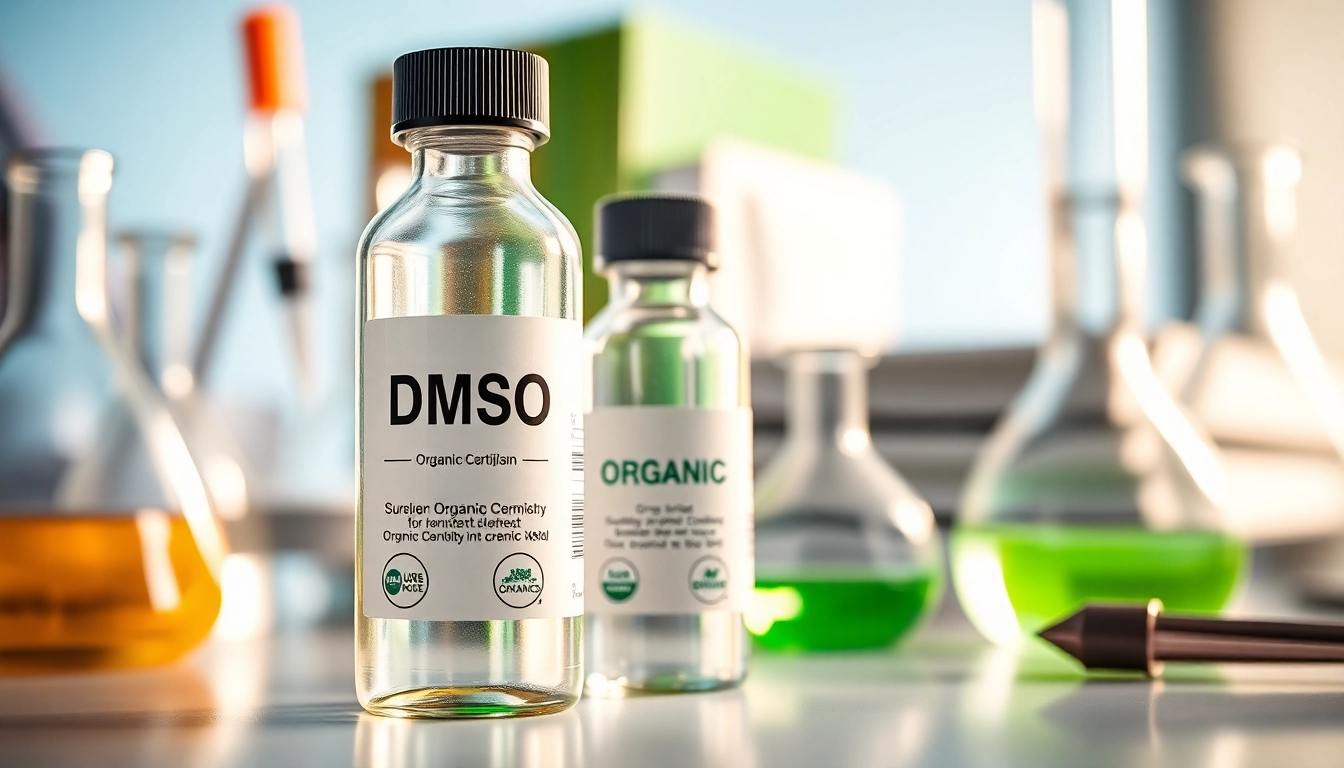
What is dmso organic?
DMSO organic, or Dimethyl Sulfoxide, is a colorless organic compound that has garnered significant attention for its diverse applications in both medical and industrial fields. Extracted primarily from lignin, it is recognized for its unique ability to dissolve both polar and non-polar compounds, making it a valuable solvent in scientific and pharmaceutical research. Renowned as a versatile agent, dmso organic boasts characteristics that have propelled it into various domains, ranging from health care to environmental applications.
The Composition of dmso organic
DMSO is classified as an organosulfur compound, with the chemical formula (CH3)2SO. It encompasses two methyl groups attached to a sulfur atom and an oxygen atom, making it a polar aprotic solvent with a molecular weight of 78.13 g/mol. This unique composition not only contributes to its solvation properties but also allows it to interact favorably with a variety of organic and inorganic substances. Upon dissolving, DMSO facilitates chemical reactions and processes at the molecular level while maintaining the structural integrity of the dissolved substances.
How dmso organic is Produced
The production of dmso organic primarily occurs through the oxidation of dimethyl sulfide, which is sourced from natural gas processing or distillation of wood and plant materials. The oxidative process involves high temperature and pressure conditions, usually in the presence of a catalyst. This method results in high-purity DMSO, suitable for various applications including pharmaceuticals, industrial solvents, and more. Additionally, extraction from lignin—derived from trees—serves as a sustainable option for production, contributing to eco-friendly practices in chemical manufacturing.
Physical and Chemical Properties of dmso organic
As a solvent, dmso organic exhibits exceptional properties: it is miscible with water and organic solvents, has a boiling point of approximately 189°C (372°F), and remains stable under a wide range of temperatures and pH levels. Its high polarity and low toxicity make it suitable for a variety of applications while retaining an ability to penetrate biological membranes effectively. These properties underpin DMSO’s use in drug formulation, topical ointments, and even in cryopreservation techniques.
Benefits of Using dmso organic
Health Benefits of dmso organic
DMSO is recognized for its potential health benefits, primarily attributed to its ability to penetrate the skin and enhance the absorption of medicinal compounds. It has been suggested to have anti-inflammatory properties, making it a topic of interest for conditions such as arthritis and inflammatory diseases. Research indicates that when combined with anti-inflammatory drugs, DMSO may boost the therapeutic efficacy while minimizing drug dosages, ultimately enhancing patient outcomes.
Industrial Applications of dmso organic
Beyond health benefits, dmso organic is indispensable in various industrial sectors. In agriculture, it serves as a solvent for pesticides and herbicides, facilitating their application. In the realm of chemical synthesis, it acts as a reaction medium, promoting diverse chemical reactions due to its highly polar nature. Moreover, its use in the plastics and polymers industry as a solvent during processing epitomizes its versatility.
Comparative Advantages of dmso organic
Compared to other solvents, DMSO offers significant advantages such as low toxicity and high polarity. It is less harmful than many traditional organic solvents which are known to pose risks to human health and the environment. Its ability to dissolve a wide array of compounds, including salts and non-polar substances, positions it as a solvent of choice for numerous applications, making it an invaluable tool in both laboratories and industrial settings.
How to Use dmso organic Safely
Dosage Recommendations for dmso organic
When utilizing dmso organic for therapeutic purposes, it is essential to observe dosage guidelines to minimize risks. Commonly, concentrations between 50% to 70% are employed for topical applications. However, specific dosages can vary based on individual conditions and treatment goals. Proper instruction from a healthcare professional is imperative to ensure safe and effective usage.
Potential Side Effects of dmso organic
While generally regarded as safe, DMSO can induce side effects such as skin irritation, burning sensation, or an unusual garlic-like taste or odor when absorbed. More serious side effects may occur if not used properly, including allergic reactions or interactions with other medications. It's crucial for users to consult healthcare professionals before commencing DMSO use, especially for systemic applications.
Safe Handling Practices for dmso organic
To ensure safety during the handling of dmso organic, it is vital to adhere to certain practices: utilize gloves and masks to prevent skin contact and inhalation of vapors, store the compound in a cool, dry place away from light, and keep it tightly sealed. Additionally, avoid contact with any substances that might react adversely with its chemical properties, ensuring a safe work environment.
Common Misconceptions about dmso organic
Is dmso organic Safe for Everyone?
One of the prevalent misconceptions is that dmso organic is inherently safe for all individuals. While DMSO has therapeutic benefits, its usage is not without risks. It can interact with various medications or exacerbate existing health issues. Thus, individuals should consult a healthcare provider prior to using DMSO, particularly if they have underlying health conditions.
Can dmso organic Interact with Medications?
Indeed, dmso organic may interact with numerous medications by enhancing their absorption or altering their effects in the body. For example, DMSO can intensify the effects of certain anti-inflammatories or antibiotics. Therefore, users should disclose all medications they are taking to their healthcare provider to risk potential adverse reactions.
Misunderstanding the Uses of dmso organic
Many misconceptions also surround the application of DMSO. Some believe it to be a universal cure, neglecting to consider the importance of dosage and suitable conditions for use. While it has proven useful in various medical applications, excessive or improper use can lead to unintended side effects. It is crucial to approach its application with informed caution.
FAQs about dmso organic
Can dmso organic be used on skin?
Yes, dmso organic can be used topically. Due to its ability to penetrate skin easily, it's often added to pain-relief formulations. However, consulting a healthcare professional for appropriate concentrations and applications is advised.
What are the environmental impacts of dmso organic?
Dmso organic is derived from renewable sources like trees, making it relatively environmentally friendly. However, its production and disposal must adhere to environmental regulations to minimize potential ecological impacts.
Is dmso organic FDA approved?
The FDA recognizes DMSO for specific medical uses, primarily as a prescription medication for interstitial cystitis. Its use in other areas remains off-label, emphasizing the need for caution and professional guidance.
How does dmso organic compare to other solvents?
With its low toxicity and high polarity, dmso organic stands out among solvents. Unlike many traditional solvents, it poses fewer health risks, making it favorable in both industrial and pharmaceutical settings.
Where to purchase quality dmso organic?
Quality dmso organic can be sourced from specialized chemical supply companies, health food stores, or online retailers that focus on pharmaceutical-grade products. Ensure thorough checks regarding the product's purity and source before purchase.